
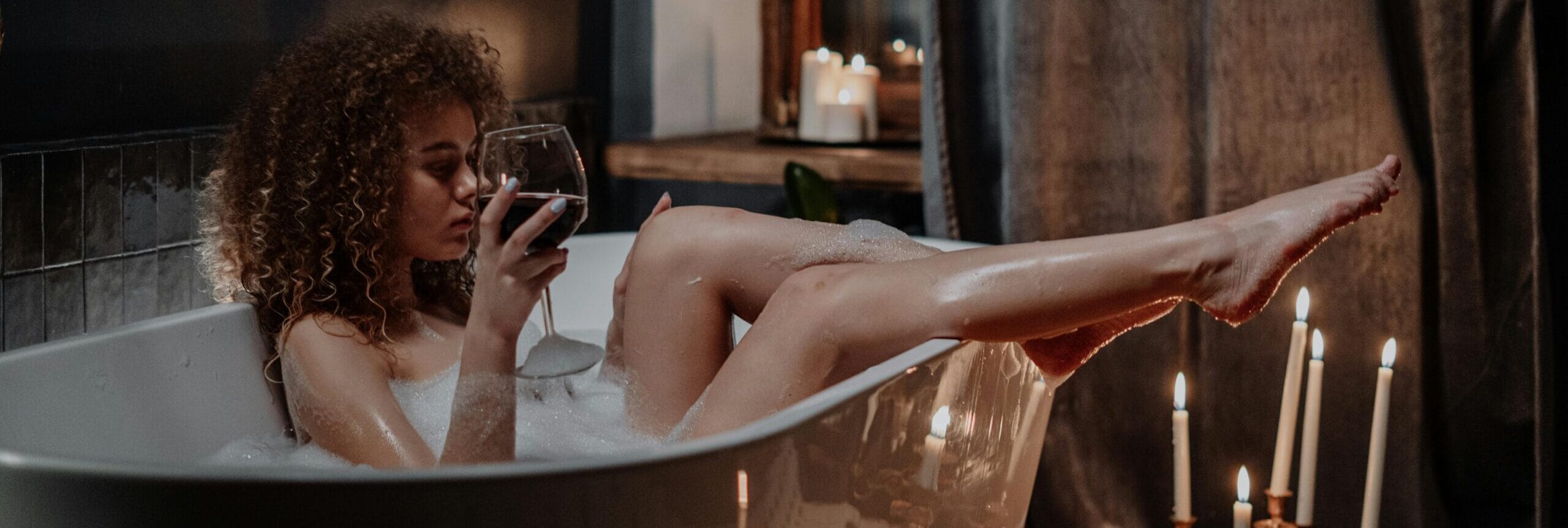
Beauty Was Supposed To Feel Good
Conversations about beauty today often feel stressful. Everyone seems focused on repairing their skin barrier, preventing aging, fixing cortisol face, improving scalp circulation, or waking up at 6 AM to dip their face in ice water because someone online claimed it reduces puffiness. Amidst complicated skincare routines and the obsession with “glass skin,” self-care has lost its calming nature and instead feels like a performance.
When beauty becomes performance, we focus on results. When beauty becomes ritual, we experience care.
This explains why many women feel drained by routines that were meant to help them relax. A ritual slows you down, while a performance makes you self-conscious. Increasingly, beauty feels less like enjoyment and more like maintenance admin wrapped in prettier packaging.
Rituals Were Never About Optimizing
Beauty rituals started because they comforted people. Warmth calms the body, repetition slows the mind, and familiar routines create the kind of comfort most adults are secretly looking for. There’s a reason traditions like oil massages, hair braiding, long baths, henna nights, and nighttime creams have endured over generations of women.
Not because they produced dramatic changes, but because they made everyday life feel easier.
Even traditional beauty rituals were never as outcome-obsessed as we have made them today. Applying ubtan was not just about getting a glow before a wedding or festival. It was about the ritual itself — mixing ingredients in a steel bowl, the graininess of dal gently exfoliating the skin, haldi soothing and healing, honey softening skin that had survived weeks of sun, dust and everyday life. The process was as important as the result. Today, we’ve somehow reduced that entire experience into packaged “ubtan for glow” and before-and-after photos.
Think about the small rituals that still feel comforting. A foot soak after a long day in Mumbai traffic and office shoes, not for “glass ankles,” but because your body is tired. An oil massage while chatting with your mother in the kitchen about relatives you both pretend not to care about. Filing your nails slowly on a Sunday afternoon with bad reality television in the background, postponing laundry for another hour.
None of these activities are impressive enough for social media, and that’s why they feel relaxing.
The Internet Changed The Emotional Experience Of Beauty
The issue isn’t that women enjoy beauty. Women can enjoy skincare, makeup, salons, perfumes, and aesthetics. The problem is that the internet has created an economy that keeps making women feel incomplete.
Every week, there’s a new problem to fix and everyone online suddenly sounds one serum away from becoming a dermatologist. Hair oiling can’t just be relaxing anymore; it now needs to turn into a rosemary growth challenge. A foot soak can’t just help you sleep well after a tough day—it must produce “glass ankles.” Even rest now comes with measurable goals, as if women can’t moisturize without turning it into a quarterly performance review.
You can feel the emotional difference right away. If your routine makes you feel calmer, slower, and more settled, it’s likely care. If it makes you anxious, sharply aware of flaws, and guilty for skipping one night, it’s probably performance pretending to be care.
Because care shouldn’t make you feel bad.
Femininity Should Feel Enjoyable Again
Perhaps femininity was never meant to feel this draining. It should feel sensory, playful, and personal. Think of perfume before bed, steam on the bathroom mirror, or a cream that smells like someone older than social media. Tiny rituals that make your day feel softer instead of more monitored.
Not every act of beauty needs to become a self-improvement project. Sometimes skincare can just feel soothing. Sometimes doing your nails is a simple way to spend twenty minutes with yourself without any need to optimize.
Maybe beauty starts feeling personal again when we stop treating ourselves like projects and start treating rituals like care.


Leave a Reply